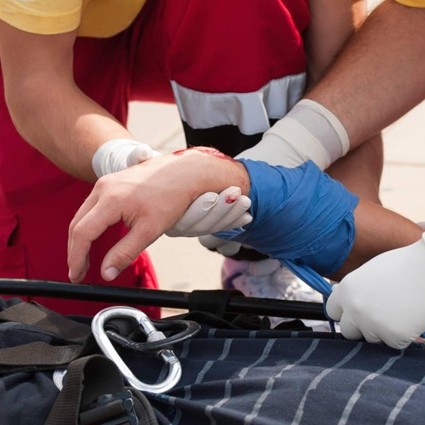
Accidents happen when you least expect them.
Understanding the right steps to take immediately after an accident (whether it’s a vehicle collision, a slip and fall, or another unexpected incident), can make a significant difference in your recovery. Being prepared for these types of accidents can help you navigate these stressful situations with confidence and clarity. This guide walks you through the important steps you should take right after an accident occurs, helping you understand what matters most in the moments after an accident.
Safety First
The top priority after any accident is safety. Check yourself and others for injury, and call emergency services.
Secure the Area and Alert Others
If you’re in a vehicle accident and your car is in the middle of the road, consider whether it’s safe to move to the shoulder of the road or to another protected area. If moving is dangerous, it’s better to stay where you are and wait for help to arrive. Turn on your hazard lights immediately to alert other drivers that there’s a problem and help prevent additional collisions.
Call for Emergency Assistance
Call emergency services immediately if anyone appears to be injured or if there’s significant property damage. Emergency responders are trained to handle these situations and can provide medical care, secure the scene, and document the incident. Even if injuries seem minor, having medical professionals evaluate everyone involved is important, especially since some injuries don’t show symptoms right away. Adrenaline can mask pain and symptoms, making you feel better than you actually are in the first moments after an accident.
Document the Scene
Once you’ve ensured everyone’s safety and emergency services are on the way, the next important step is documenting what happened. Having physical evidence may protect you later.
Take Photographs and Gather Evidence
Use your phone to take photographs from multiple angles. Capture the overall scene, showing the positions of vehicles or the location where the incident occurred. Take close-up photos of any damage to vehicles, property, or the surrounding environment. If there are skid marks, debris, traffic signs, or weather conditions that might have contributed to the accident, photograph those as well. The more comprehensive your documentation, the clearer picture you’ll have of what transpired.
Collect Information from All Parties
Exchange information with everyone involved in the accident. This includes names, phone numbers, addresses, insurance information, and vehicle details if applicable. If there are witnesses, try to get their contact information as well. Witnesses can provide objective accounts of what happened, which can be helpful later if there are disputes about how the accident occurred.
Seek Medical Attention
Even if you feel fine, seeking medical attention after an accident is one of the most important steps you can take. Many injuries don’t present symptoms immediately, and having a medical professional examine you creates a record of your condition.
Get Examined by Healthcare Professionals
Soft tissue injuries, concussions, and internal injuries can take hours or even days to manifest. When you see a doctor, be honest about any pain, discomfort, or unusual sensations you’re experiencing, no matter how minor they seem. Mention if you hit your head, felt jolted, or experienced any impact. Your doctor needs complete information to provide proper care and create accurate medical records.
Follow Medical Recommendations
If your doctor recommends follow-up appointments, physical therapy, or other treatments, make sure you follow through. Not only is this important for your health and recovery, but it also demonstrates that you’re taking your injuries seriously. Keep all receipts, medical records, and documentation related to your treatment. Ask your healthcare providers for copies of all medical records, test results, and treatment plans related to your accident injuries. Having your own complete set of medical documentation ensures you have access to this important information whenever you need it.
Notify Your Insurance Company
Contact your insurance company to report the accident as soon as possible. Most insurance policies require prompt notification of accidents. Notifying your insurance agency can also make filing a claim smoother.
Report the Incident Promptly
When you speak with your insurance company, only discuss the facts about what happened. Describe the accident clearly, but avoid speculating about fault or making statements that could be interpreted as admissions of responsibility. Be honest in your report, but you don’t need to provide excessive detail in your initial conversation. Your insurance company will investigate the accident and may ask for additional information later. Keep notes about your conversations with insurance representatives, including the date, time, who you spoke with, and what was discussed.
Review Your Policy Coverage
Take time to review your insurance policy and understand what coverage you have. Different policies offer different types of protection, and knowing what’s included in your coverage can help you understand what to expect from the claims process. If you have questions about your coverage, don’t hesitate to ask your insurance representative for clarification. Understanding your policy helps you know what benefits you’re entitled to and what steps you need to take to access them.
Get Legal Guidance
Navigating the aftermath of an accident can be complicated, especially if you’ve sustained injuries or significant property damage. Understanding when you should seek legal support can help protect your rights and ensure you receive fair treatment throughout the recovery process.
Consult With Legal Professionals
While not every accident requires legal representation, consulting with an injury lawyer can help you understand your rights and options. Legal professionals can handle communications with insurance companies, gather evidence, and make sure you receive fair compensation. Many legal professionals offer consultations where you can discuss your situation and learn about next steps without any fee or obligation.
Protect Your Interests
Don’t sign documents or agree to settlements without fully understanding what you’re signing. Insurance companies may contact you quickly after an accident with settlement offers. Some will even offer to make an immediate electronic payment in exchange for settling your case quickly. While these offers might seem appealing, especially when you’re dealing with medical bills and other expenses, they may not fully account for all of your damages. This can especially be the case if you have ongoing injuries or complications that haven’t fully developed yet. A personal injury lawyer can review any offers or documents before you sign them, ensuring that your interests are protected. They can also advise you on whether an offer is fair based on the circumstances of your accident and the extent of your injuries.
Keep Detailed Records
Throughout the entire process following an accident, maintaining organized records is essential. Proper documentation helps you track your recovery, manage expenses, and support any claims you may need to pursue.
Organize All Accident-Related Documents
Create a file where you keep everything related to the accident in one place. This should include your photographs, witness information, medical records, insurance correspondence, receipts for expenses, and any other relevant documents. Keep a journal documenting how your injuries affect your daily life. Note any pain, limitations in your activities, medical appointments, and how the accident has impacted your work, hobbies, and relationships. This personal record can be valuable in demonstrating the full impact of the accident on your life.
Monitor All Associated Costs
Keep detailed records of all expenses related to the accident. This includes medical bills, prescription costs, transportation to medical appointments, and any other out-of-pocket costs. If you’ve missed work due to your injuries, document your lost wages with pay stubs or statements from your employer. These financial records help create a complete picture of how the accident has affected you economically and ensure you don’t overlook any expenses when seeking compensation.