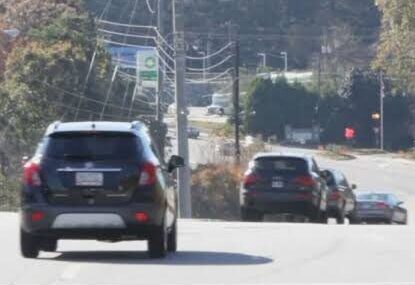
Many Wisconsin drivers assume the interstate is where the most deadly crashes happen. After all, vehicles are traveling at 70 mph or more, traffic volumes are high, and serious crashes often receive media attention.
However, Wisconsin crash data tells a different story.
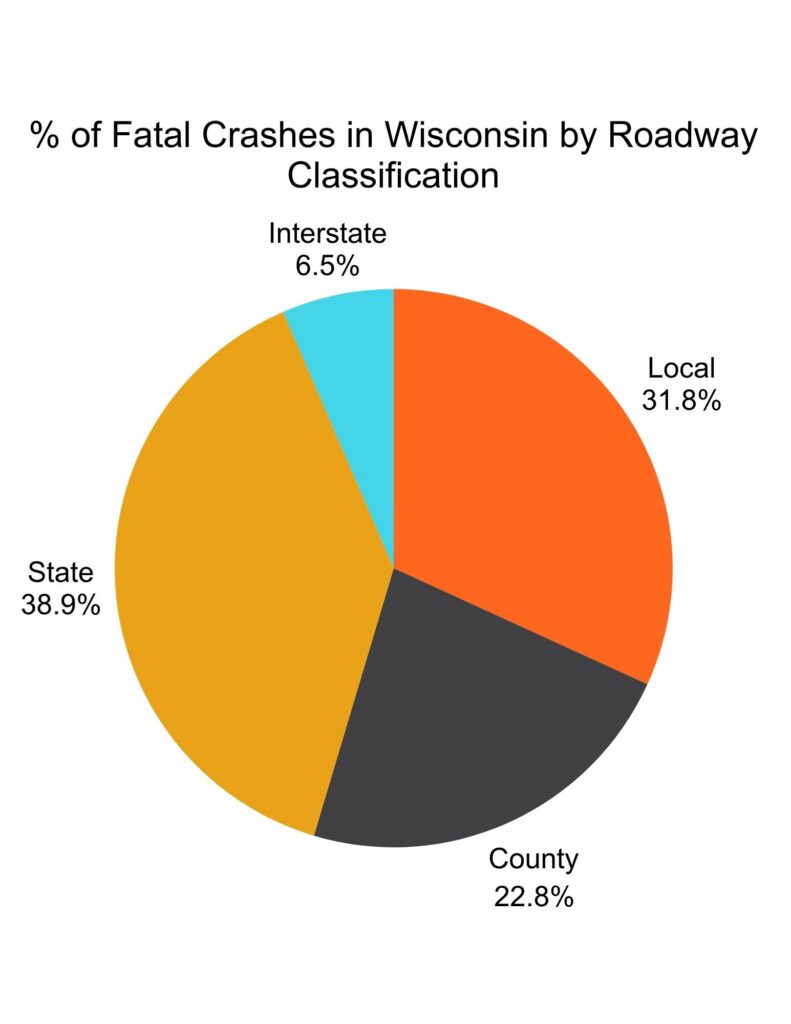
According to 2024 Wisconsin Department of Transportation data, interstate highways accounted for just 6.48% of fatal crashes statewide. Meanwhile, local roads, county roads, and state highways accounted for more than 93% of fatal crashes.
Understanding where fatal crashes occur, and why, can help drivers better recognize risks and make safer decisions behind the wheel.
Where Do Most Fatal Crashes Occur in Wisconsin?
The Wisconsin Department of Transportation categorizes fatal crashes by roadway type, as depicted on the chart to the left.
While state roads account for the largest individual share of fatal crashes, local and county roads together account for nearly 55% of all fatal crashes in Wisconsin.
The data suggests that fatal crashes are far more common on the roads Wisconsin residents drive every day than on the interstate highways many people perceive as the most dangerous.
Why Do People Think Interstates Are More Dangerous?
- The misconception is understandable. Interstate crashes often involve:
- Higher speeds
- Multiple vehicles
- Traffic backups
- Significant media coverage
Because these crashes are highly visible, many drivers assume they happen more frequently than they actually do.
In reality, interstate highways are among the safest roads in the country because they are designed specifically to reduce common crash risks.
Most interstates feature:
- Divided roadways
- Controlled entrance and exit ramps
- Wider lanes and shoulders
- Median barriers
- Rumble strips
- Limited intersections
These safety features help prevent many of the crash types commonly seen on local and rural roads.
Why Are Local, County, and State Roads More Dangerous?
Unlike interstates, many Wisconsin local roads, county highways, and state highways were not designed to separate traffic or eliminate conflict points.
Common risk factors include:
- Oncoming traffic with no median barrier
- Sharp curves and hills
- Uncontrolled intersections
- Limited lighting
- Narrow shoulders
- Wildlife crossings
- Farm equipment
Many of these roads also serve rural areas, where emergency response times can be longer and drivers may travel at highway speeds despite fewer safety protections.
Safety Tips for Wisconsin Local Roads
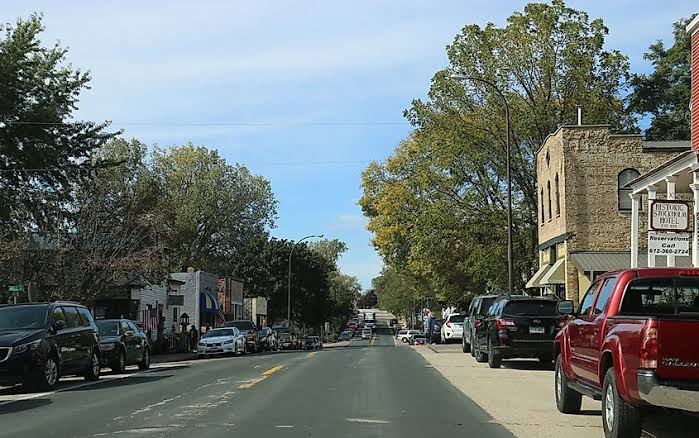
Example of a Wisconsin Local Road
Stay Safe By:
- Watching carefully for pedestrians and bicyclists
- Expecting vehicles to enter from driveways
- Driving slower at night
- Avoiding distractions such as phones and GPS adjustments
- Being cautious at uncontrolled intersections
Example of a County Road
Stay Safe By:
- Leaving extra space between vehicles
- Watching for slow-moving farm equipment
- Anticipating sharp curves and limited visibility
- Using extra caution during deer season
- Avoiding passing unless visibility is excellent
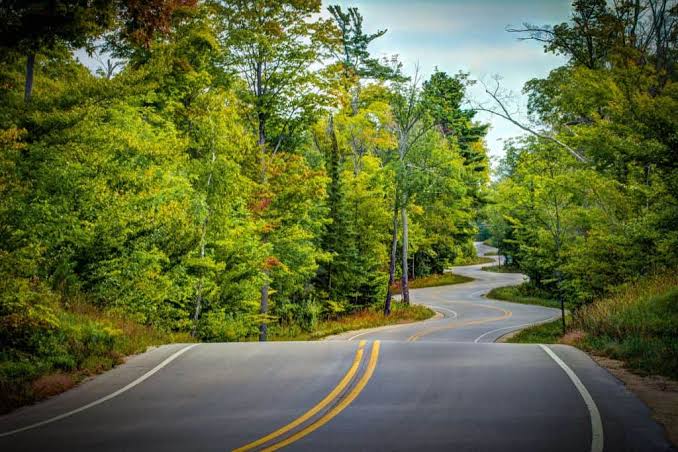
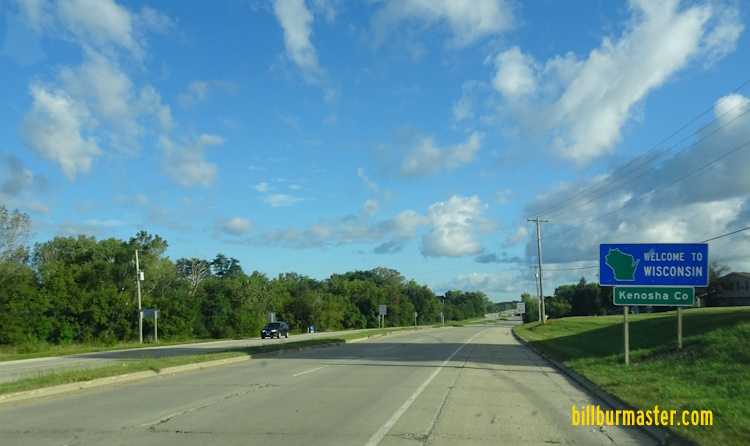
Example of a Wisconsin State Highway
Stay Safe By:
- Using headlights during low-visibility conditions
- Maintaining safe following distances
- Looking carefully before entering intersections
- Being alert for turning vehicles
- Slowing down in construction zones
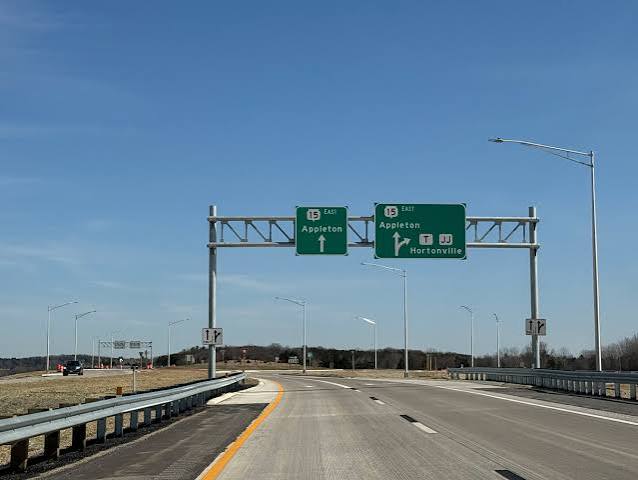
Example of a Wisconsin Interstate Road
Stay Safe By:
- Taking breaks during long trips
- Maintaining a safe following distance
- Using merge lanes properly
- Checking blind spots before changing lanes
- Avoiding aggressive driving
The Bottom Line
When most people think about deadly crashes, they picture high-speed interstate collisions. But Wisconsin’s 2024 crash data shows a different reality: the majority of fatal crashes occur on local roads, county highways, and state roads—not on interstates. The roads we drive every day often present risks that are easier to overlook because they feel familiar. Understanding those risks—and adjusting driving behavior accordingly—can help make Wisconsin roads safer for everyone.
Works Cited
“Community Maps – Traffic Safety for Wisconsin.” Community Maps. Transportal.Cee.Wisc.Edu, transportal.cee.wisc.edu/partners/community-maps/crash/search/BasicSearch.do.
“Wisconsin Fatalities by County.” Wisconsin Department of Transportation. Wisconsindot.Gov, 31 May 2026, wisconsindot.gov/Pages/about-wisdot/newsroom/statistics/countyfatality.aspx.
“2024 Wisconsin Traffic Crash Facts.” Wisconsin Department of Transportation. Wisconsindot.Gov, 2024, wisconsindot.gov/Documents/safety/education/crash-data/2024-wisconsin-crash-facts.pdf.